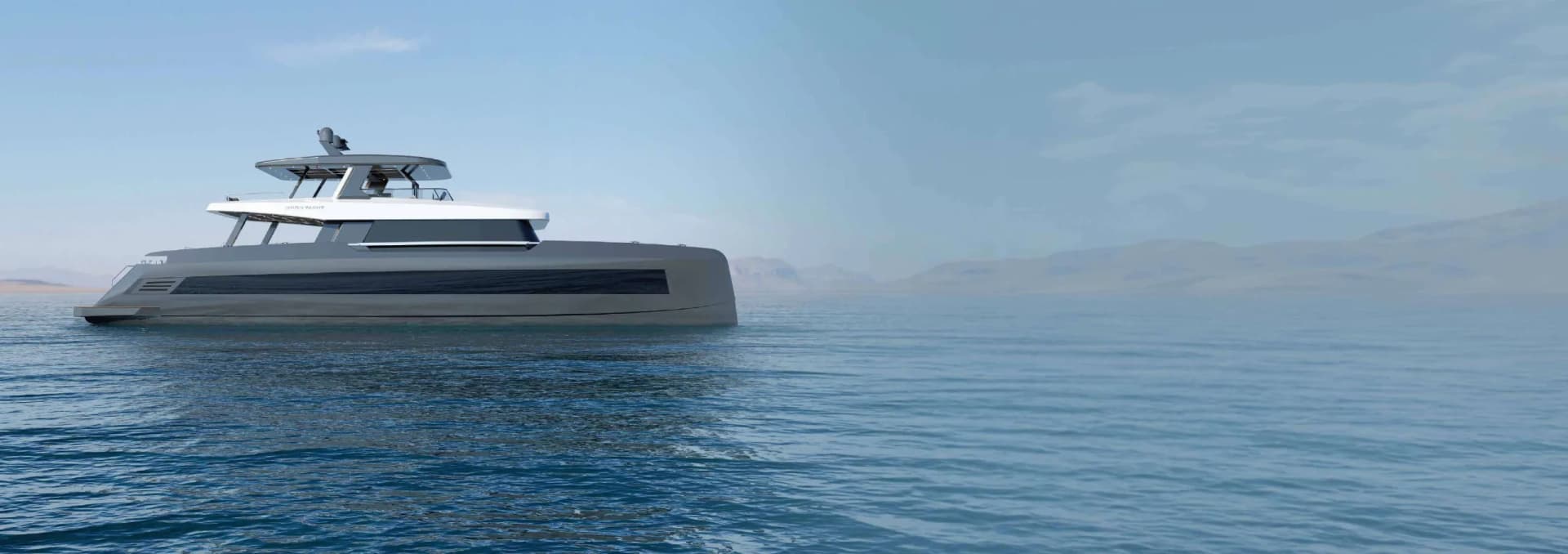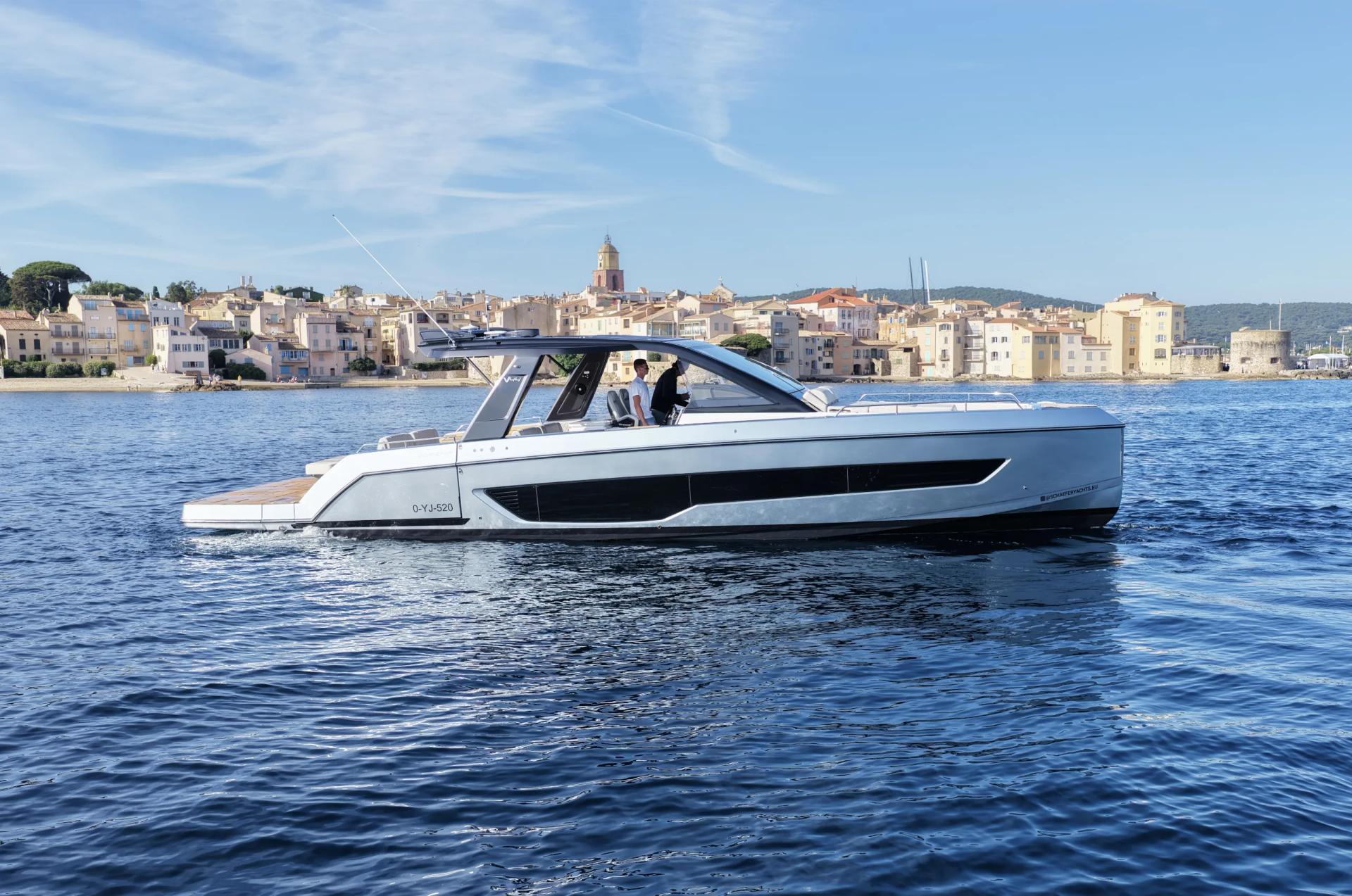

A Yacht Broker Lead Generation Example That Converts
8 min gelezen
See a yacht broker lead generation example built around verified intent, private follow-up, and international buyer qualification for premium listings.
Volledige vertaling is nog niet beschikbaar, onderstaande inhoud wordt in het Engels getoond.

A strong yacht broker lead generation example does not begin with a larger advertising budget. It begins with a better decision about whom to attract. A broker representing a premium yacht is not looking for broad attention from casual browsers. The objective is to create a credible path for qualified buyers or charter clients to request information, establish their intent, and move into a discreet professional conversation.
For luxury inventory, lead generation is a process of qualification as much as visibility. The right campaign can produce fewer inquiries than a mass-market listing, yet create considerably more commercial value because each inquiry is relevant, traceable, and handled with appropriate care.
A Yacht Broker Lead Generation Example in Practice
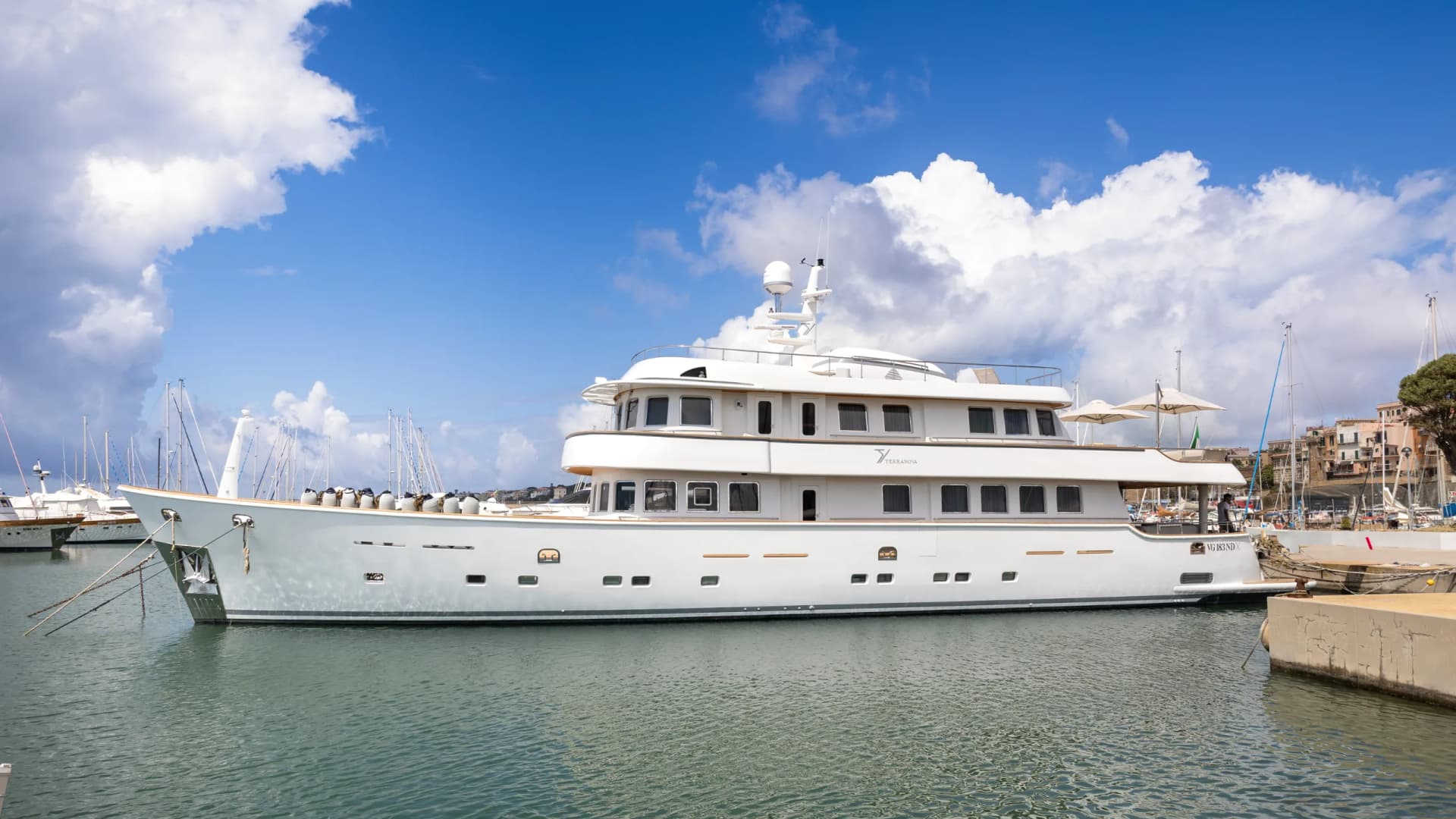
Consider a broker with a 40-meter motor yacht available for sale. The vessel has a strong specification, a well-maintained service history, and international appeal. However, the owner values privacy and does not want every detail, location, or image distributed across open public channels.
The broker's lead-generation strategy should therefore position the yacht as a private, professionally represented opportunity rather than simply another listing competing for clicks. A public-facing listing can include the essential information: builder, model, year, length, broad cruising area, key features, and a carefully selected image set. It should create enough confidence for a serious prospect to inquire, without publishing the full documentation package or sensitive operational details.
The inquiry form then asks for information that helps the broker assess intent. Rather than collecting only a name, email address, and phone number, the form may request the buyer's preferred contact method, purchase timeframe, whether they are working with a representative, and the features that matter most to them. These questions should remain concise. An overly demanding form can deter legitimate international prospects, especially when they are using a mobile device or making an initial inquiry outside business hours.
Once submitted, the inquiry is routed promptly to the appointed broker. The broker receives the lead details, the yacht viewed, and the source of the inquiry. A timely, informed response follows, offering the appropriate next step: a detailed brochure, a private discussion, confirmation of availability, or an introduction to the buyer's representative.
This is the difference between collecting contacts and generating viable brokerage opportunities. The listing attracts interest. The qualification process protects the broker's time. The follow-up turns interest into a conversation with commercial direction.
The Elements That Make the Example Work
Premium presentation creates confidence before contact
At this level of the market, presentation is part of qualification. Buyers assessing a yacht remotely are also assessing the professionalism of the broker and the quality of the opportunity. Incomplete specifications, inconsistent photography, vague descriptions, or unexplained pricing positions can create uncertainty before the first conversation begins.
A high-quality listing should communicate facts with restraint and precision. Include relevant dimensions, accommodation, build and refit information, cruising capability, notable equipment, and ownership or tax status only where it is confirmed and appropriate to disclose. The language should be clear, not promotional for its own sake. Serious buyers recognize the difference.
For private listings, the public page can serve as an invitation to engage. Additional imagery, detailed maintenance records, exact location, and seller-sensitive information can be released after initial qualification or under the broker's agreed process. This balances exposure with discretion.
Targeting should follow buyer intent, not vanity reach
A large number of listing views may look encouraging, but views do not necessarily indicate demand. For a premium yacht, a broker should prioritize channels where prospective buyers are actively researching a particular yacht type, size range, builder, or destination.
Search demand is valuable when the listing answers a specific question. A buyer searching for a late-model explorer yacht, a Mediterranean-ready motor yacht, or a vessel with a defined accommodation layout is signaling clearer intent than someone browsing general luxury content. The listing must therefore be structured around accurate specifications and the terms qualified prospects use when narrowing their search.
International distribution also requires judgment. A yacht marketed across Europe, the Mediterranean, and global brokerage networks may attract inquiries from several markets, but not every inquiry should be treated identically. Language preference, time zone, regional purchasing practices, and representation arrangements affect how quickly trust is established. Multilingual communication is not a cosmetic addition. It can be decisive in moving a serious prospect from initial interest to a confidential discussion.
The first response should advance the conversation
The highest-value moment in a lead-generation campaign is often the first broker response. A generic automated acknowledgment may confirm receipt, but it rarely moves a high-net-worth buyer closer to action. The broker should respond personally and with evidence that the inquiry has been reviewed.
For example, if the prospect asks about transatlantic capability, the response should address that point directly, identify any relevant records or specifications available, and propose a suitable next conversation. If the inquiry comes from another broker, the response should establish representation status and clarify the information-sharing process before releasing sensitive material.
Speed matters, but accuracy matters equally. Responding quickly with unverified details can weaken confidence and create avoidable complications later in the transaction. A disciplined process gives the broker a way to be responsive without compromising privacy or factual integrity.
How to Qualify Without Creating Friction
Qualification should feel like professional service, not an obstacle course. The purpose is to understand whether the prospect has a credible reason to receive deeper information and whether the broker can assist effectively.
A useful initial conversation typically clarifies the prospect's intended use, timing, preferred cruising region, ownership structure considerations, and whether they have another vessel to sell. For charter inquiries, the relevant questions may instead cover dates, guest count, itinerary expectations, and special requirements. The details differ, but the principle is the same: gather the information required to make the next response more useful.
There is a trade-off. Too little qualification creates a pipeline filled with incomplete leads and repeated follow-up attempts. Too much qualification at the first touchpoint can appear intrusive and may discourage legitimate clients who value discretion. The appropriate level depends on the yacht's profile, the seller's requirements, and the source of the inquiry.
A known broker referral may require a lighter initial process than an anonymous inquiry requesting a full location and extensive documentation. Both deserve professional treatment, but they do not carry the same verification needs.
Measuring Lead Quality Beyond Inquiry Volume
A broker should review lead generation using indicators that reflect progression, not just acquisition. Inquiry volume remains useful, but it is only the first measure. More meaningful signals include the share of inquiries that receive a substantive response, the number that complete qualification, the number that progress to a call or viewing, and the time taken to reach each stage.
It is also useful to track where qualified leads originate. A campaign may reveal that one yacht category performs especially well in a certain region, that broker referrals produce stronger viewing requests, or that private listings generate fewer but more serious inquiries. These findings support better decisions about premium exposure, listing presentation, and follow-up resources.
Data handling deserves the same attention as lead volume. Yacht transactions involve sensitive personal, financial, and asset-related information. Access should be controlled, lead records should be handled responsibly, and communications should remain appropriate to the client's preferred channel. Trust can be lost long before a negotiation begins if an inquiry is treated carelessly.
Building a Repeatable Broker Process
The most effective campaigns are not improvised around each listing. They use a consistent operating model: prepare the listing with verified information, define what may be disclosed publicly, route inquiries to the right professional, qualify with purpose, and record outcomes for future decisions.
This does not mean every yacht should be marketed in the same way. A shipyard new-build opportunity, a confidential owner sale, and a charter-focused yacht each require different emphasis. The process should be consistent; the presentation and disclosure level should be tailored.
For brokers seeking a more controlled environment, platforms such as TopYachts can support premium visibility while helping keep lead routing and privacy aligned with the expectations of high-value transactions. The value is not merely exposure. It is the ability to present serious inventory where professional representation and buyer intent carry greater weight.
The strongest next step is simple: review one active listing as a prospective buyer would. If its presentation, inquiry path, and first-response plan do not make a serious client feel recognized and protected, the campaign needs refinement before more traffic is added.