
Superyacht Charter Guide for First-Time Clients
8 dk. okuma
A superyacht charter guide for first-time clients covering costs, seasons, yacht types, crew, contracts, and how to charter with confidence.
Tam çeviri henüz mevcut değil, aşağıdaki içerik İngilizce gösterilmektedir.

A seven-night charter can look effortless from the quay - chilled towels, a polished passerelle, a crew that appears to know your preferences before you speak. The reality behind that experience is careful planning, clear expectations, and the right advisory support. This superyacht charter guide is designed for clients who want to approach the process with the same discipline they would bring to any other high-value decision.
For experienced travelers, chartering a superyacht is not simply about selecting a beautiful vessel. It is about matching itinerary, guest profile, service style, and timing to the right yacht under the right contract terms. When those elements align, the result feels private, efficient, and highly personal. When they do not, even an impressive yacht can be the wrong choice.
What a superyacht charter guide should clarify first
The first question is not "Which yacht should I book?" It is "What kind of week do I want to have?" Some clients want quiet anchorages, discreet service, and long lunches ashore. Others want a more social itinerary with beach clubs, water sports, and a visible arrival in places like Monaco, Ibiza, or the Amalfi Coast.
That distinction matters because charter selection starts with use case, not brochure appeal. A yacht that performs brilliantly for a family with young children may be a poor fit for a corporate-hosting itinerary. Likewise, a yacht optimized for entertainment may not offer the cabin layout or cruising comfort a multigenerational group requires.
A serious charter process usually begins with five variables: destination, travel dates, number of guests, preferred style of service, and a realistic overall budget range. The earlier these are defined, the more precise the yacht shortlist becomes.
Choosing the right yacht for the charter
Size attracts attention, but layout drives satisfaction. Two yachts of similar length can deliver very different guest experiences depending on cabin configuration, deck flow, toy inventory, stabilization, and crew culture.
For many first-time clients, the key trade-off is between aesthetics and practicality. A sleek yacht with dramatic exterior lines may offer less usable deck space or tighter interior circulation. A more understated vessel may deliver better lounging areas, easier boarding, and stronger family functionality. Neither is universally better. It depends on how you plan to use the yacht.
Crew quality is equally decisive. The best charter experiences are often defined less by marble finishes and more by a captain who reads weather and routing well, a chef who understands dietary nuance, and a chief stewardess who can calibrate service without making it feel formal. On premium charters, service intelligence is part of the product.
If your group includes children, older guests, or anyone with mobility considerations, mention that early. A beach club with many steps, a split-level salon, or a tender-heavy boarding routine may become less appealing in practice than it appears in photography.
Motor yacht, sailing yacht, or explorer yacht?
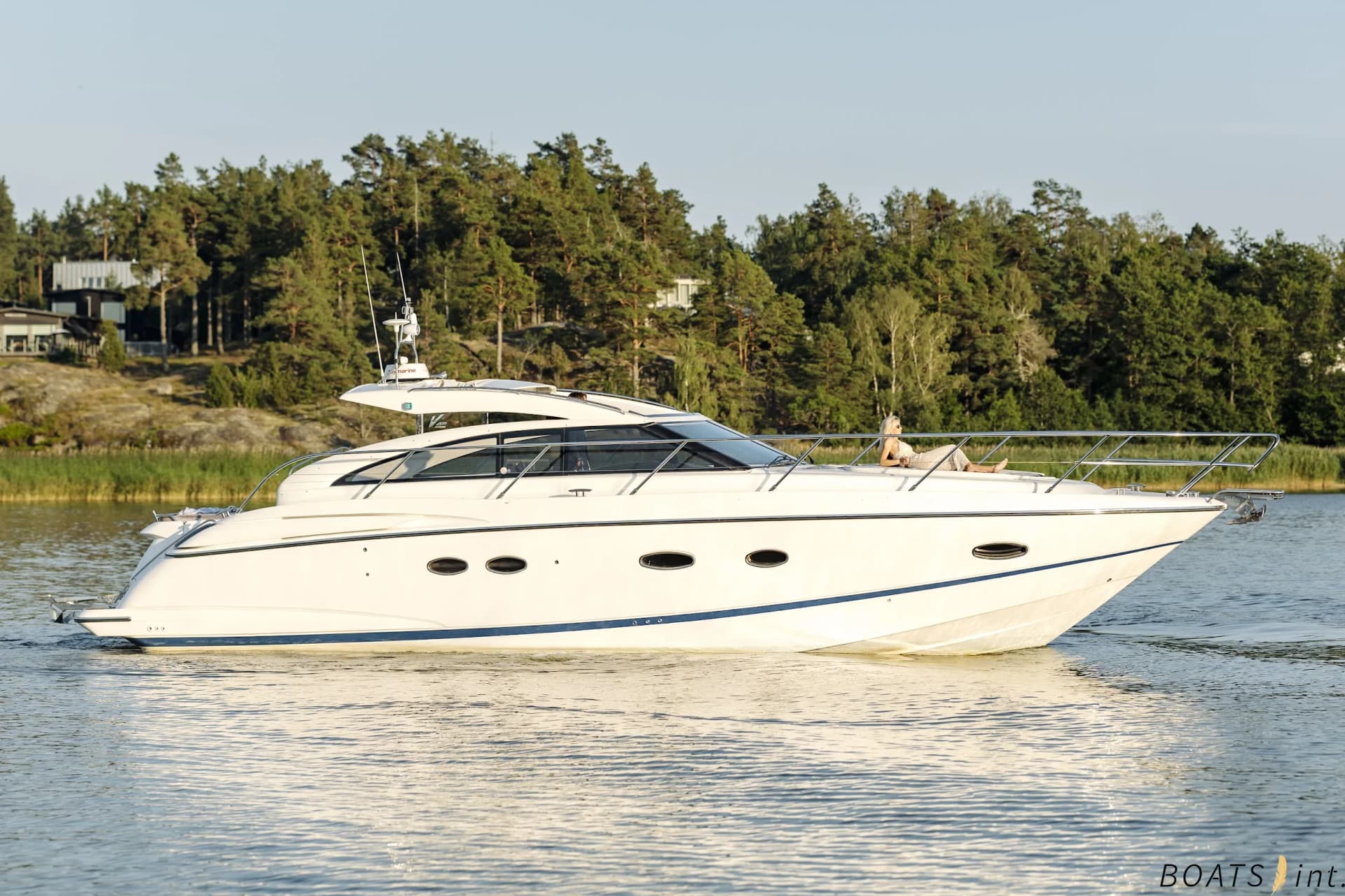
Motor yachts remain the default choice for clients who prioritize speed, larger interior volume, and a more predictable weekly itinerary. They suit the Mediterranean especially well, where guests often want to move efficiently between ports and anchorages.
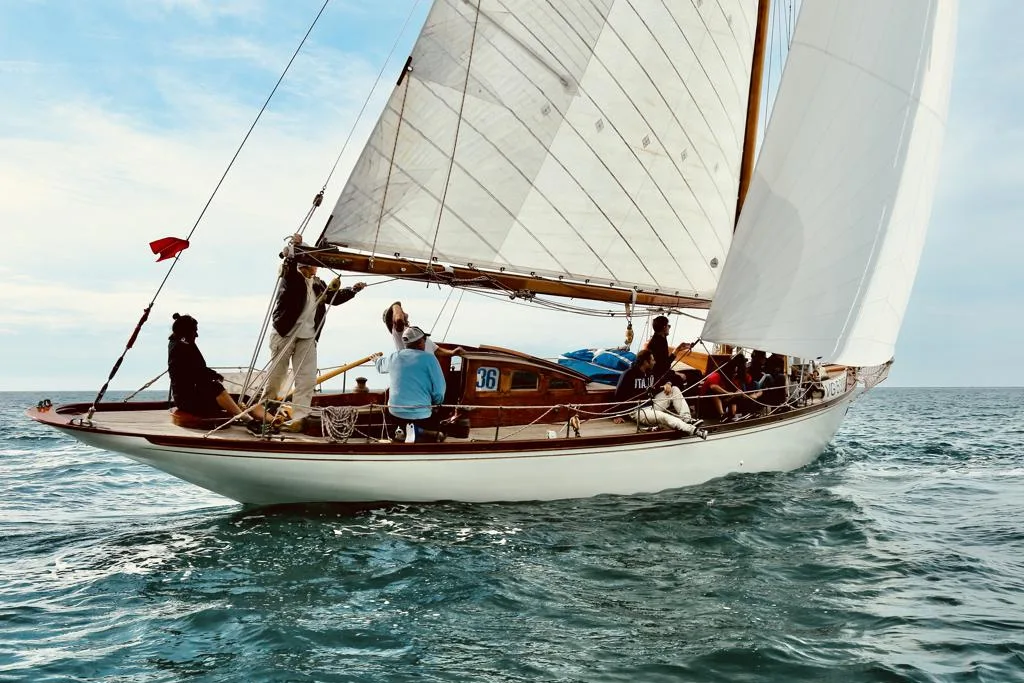
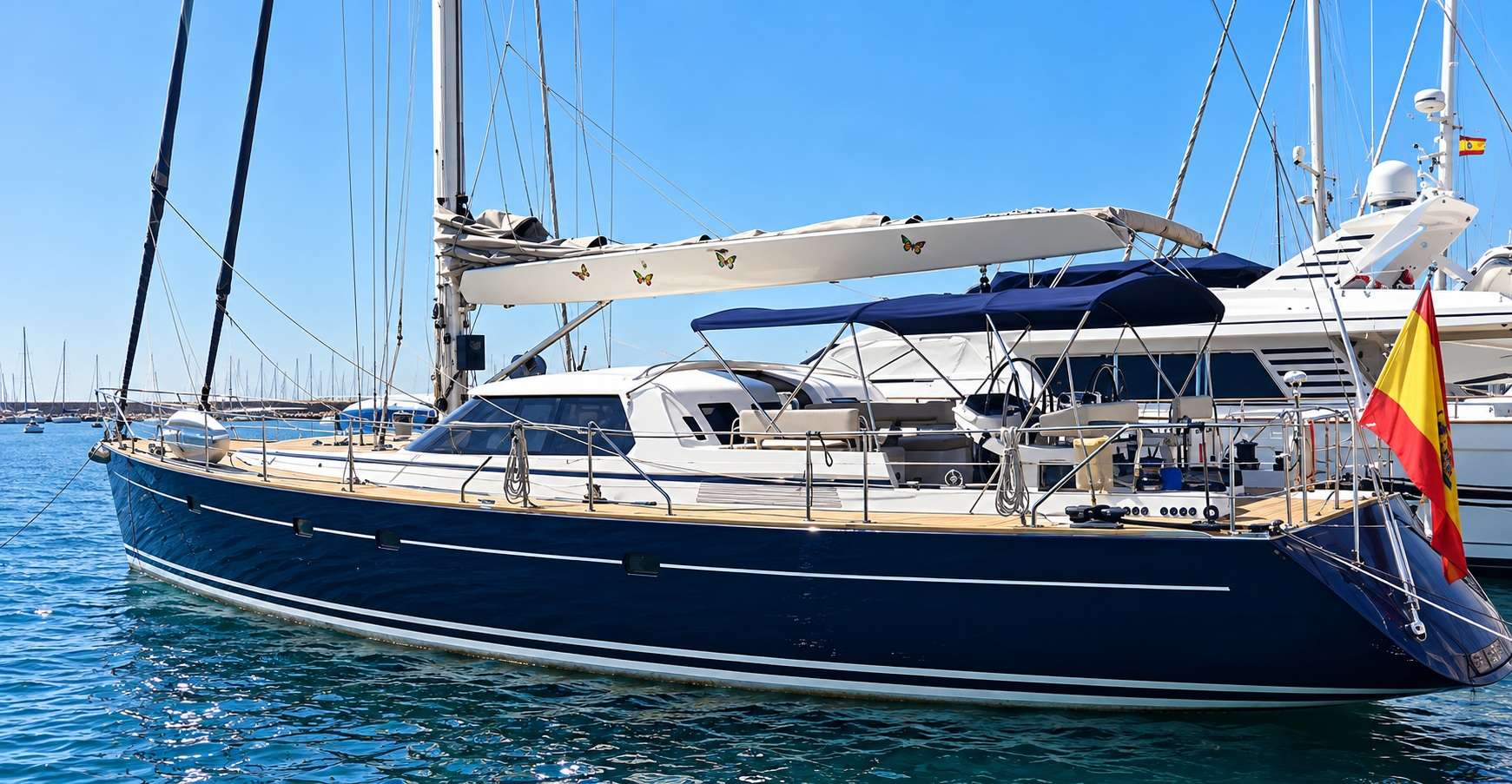
Sailing yachts offer a different rhythm. For some clients, that is the point - quieter passages, more engagement with the sea, and a charter that feels less programmed. But sailing comes with operational limits tied more closely to weather and routing.
Explorer yachts appeal to guests who want range, privacy, and a less conventional itinerary. They can be highly compelling for remote cruising or longer periods onboard, though they are not always the first choice for clients focused on a classic South of France social calendar.
Understanding charter seasons and destinations
In the Mediterranean, timing shapes both availability and atmosphere. July and August bring the highest concentration of demand, especially in Southern France, Italy, Spain, Greece, and Croatia. That creates energy and access to the full social season, but it also means tighter marina space, more crowded anchorages, and less flexibility if you book late.
Shoulder-season charters in May, June, September, and early October can offer a more measured experience. The weather is often excellent, service ashore remains strong, and the overall pace can feel more private. For many experienced charterers, this is when the Mediterranean performs best.
The Caribbean and other winter markets present a different rhythm. Holiday periods command premium demand, while January through March often attract clients looking for stable climate and relaxed cruising. The right season depends less on convention and more on your priorities - privacy, social access, swimming conditions, or itinerary complexity.
Why itinerary matters more than many clients expect
A charter itinerary should be ambitious enough to feel memorable and realistic enough to feel relaxed. Trying to cover too much territory in one week is a common error. It increases fuel consumption, reduces time at anchor, and can make the schedule feel managed rather than enjoyable.
An effective plan accounts for guest energy, meal preferences, tender logistics, and weather alternatives. If one couple wants fine dining ashore while another prefers quiet evenings onboard, that should shape both routing and berth strategy. Good charter planning leaves room for spontaneous changes without turning every decision into a compromise.
Costs, terms, and what the charter fee does not include
Any useful superyacht charter guide must address pricing with precision. The weekly charter fee is only one part of the financial picture. Depending on the yacht and region, clients may also fund fuel, food and beverages, dockage, local taxes, delivery fees where applicable, and discretionary crew gratuity.
Most charters operate with an Advance Provisioning Allowance, commonly known as APA. This is an account funded in advance to cover variable operating expenses during the trip. If spending runs below the amount collected, the balance is returned. If preferences are highly specific - premium wines, extensive watersports fuel usage, multiple marina nights - the APA may be drawn down more quickly.
This is where experienced brokerage advice matters. A lower headline charter fee does not always translate into better value if the yacht is less efficient to run, poorly aligned with the itinerary, or likely to require more transfers and marina dependency. Cost should be evaluated against use, not in isolation.
The booking process and why verification matters
Once a yacht is selected, the transaction becomes contractual. This stage should feel controlled, not rushed. Charter agreements set out payment schedules, cancellation terms, cruising areas, delivery arrangements, and the responsibilities of each party. The details are not administrative background - they protect the client experience.
Verification also matters at the market level. In a premium environment, clients benefit from dealing through established professionals who can confirm a yacht's charter status, availability, crew standards, and operating framework. Discretion, particularly for high-profile guests or family offices, is not a luxury add-on. It is often a baseline requirement.
This is one reason many clients prefer curated marketplaces and verified brokerage networks over broad public exposure. Platforms such as TopYachts reflect that shift toward qualified access, multilingual coordination, and a more controlled inquiry environment for serious international charter demand.
Preparing for embarkation
The preference sheet is where a good charter begins to become a precise one. This document covers food preferences, allergies, favorite wines, sleeping arrangements, celebrations, shore interests, child-specific requirements, and operational considerations. The more accurately it is completed, the better the crew can perform.
Clients sometimes understate preferences in an effort to appear easygoing. That is usually counterproductive. A premium crew would rather receive exact information in advance than improvise around avoidable gaps once the charter begins.
Packing also deserves practical judgment. Dress codes vary by itinerary, but soft luggage is usually easier onboard than rigid cases. If you expect several formal dinners ashore, state that early so the itinerary and berth planning can support it.
What first-time charterers often overlook
The most common oversight is assuming the yacht alone guarantees the experience. In practice, the strongest charters come from alignment - right yacht, right crew, right route, right guest mix, and right expectations.
Another frequent issue is over-programming. Guests book a private yacht for freedom, then create a land-based schedule with too many reservations and too little flexibility. Some structure is useful. Too much of it reduces one of charter's greatest advantages, which is the ability to adapt in real time.
Finally, do not treat the crew as invisible infrastructure. The best charter teams are highly skilled professionals who manage hospitality, navigation, safety, provisioning, and guest discretion under constant time pressure. Respect and clarity tend to produce better service than any amount of formality.
A well-planned superyacht charter should feel effortless only after considerable care has gone into the decisions behind it. If you approach the process with clear priorities and qualified guidance, the result is not just a vacation, but a private environment built around how you actually want to spend time at sea.